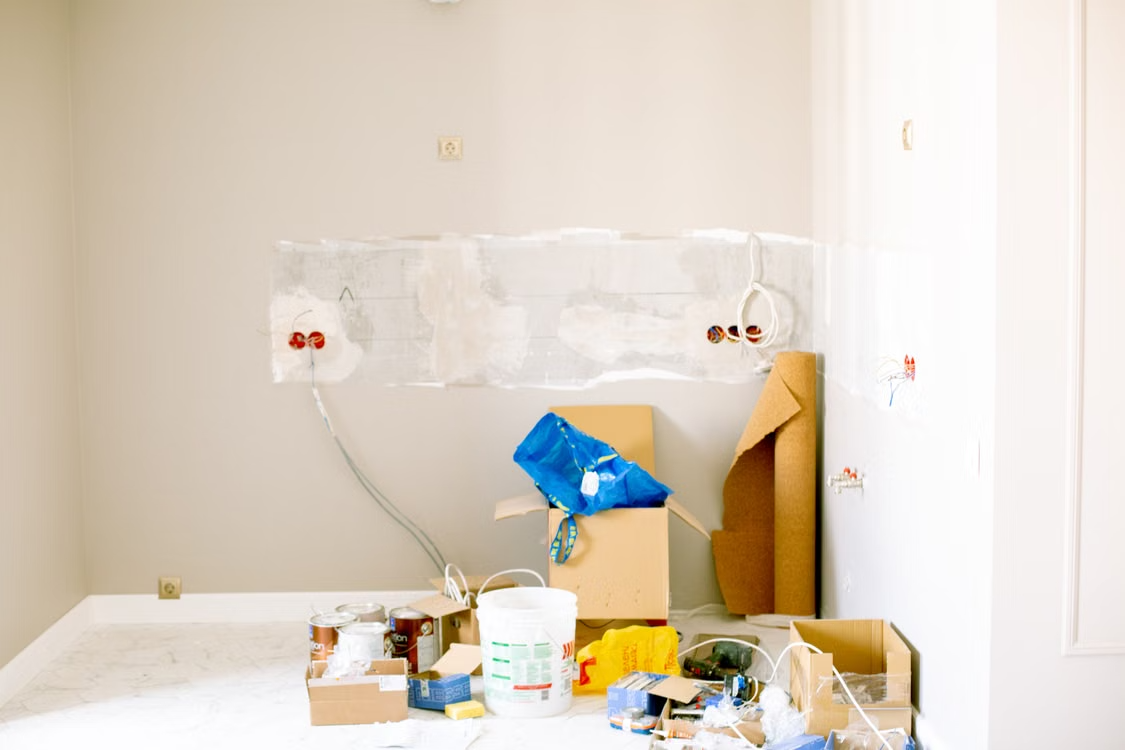
Having a nice kitchen or new loft conversion can make a home stand out. But what will actually add value to a buyer’s eyes?
Having an additional room, a strong garage roof or keeping your home warm all provide a benefit. It’s all down to your property, location and price of the job.
It’s useful to tell if something will add value or just make your house nicer, especially when your home needs repairs first.
What you’ll learn:
- Value and Payback Aren’t the Same Thing
- Fixing Problems Before Adding Features
- More Space Has the Clearest Price Signal
- Kitchen and Bathroom Upgrades Need Restraint
- Energy Savings and Kerb Appeal Count Too
- Put Each Project Through a Simple Test
Value and Payback Aren’t the Same Thing
Adding value to your home doesn’t necessarily mean a return on investment.
If you spend £10,000 on a job that will increase the value of your home by £7,000, you have added value to your home but you haven’t got your money back. These numbers are just for example and aren’t accurate for your situation.
Home improvements can offer three different benefits:
- Increase your home’s value by giving it more usable space
- Maintain the value of your home by making sure there isn’t any damage or faults
- Enjoy your home by making improvements you will appreciate, these can include energy efficiency and saving money
Just because an improvement doesn’t pay for itself doesn’t mean it’s not worth doing. If you know you’re staying a while, you’ll enjoy your newly remodeled bathroom, but if you’re selling soon, that enjoyment may matter less to buyers.
See also: What to Look for When Buying an Outdoor Sauna in 2026 on a Budget
Fixing Problems Before Adding Features
If your home has a fault it’s going to be noticed, no matter how pretty your new kitchen looks.
Your garage is there to park or store your things, but if your roof is letting water in it can ruin everything inside. Replacing your roof may not add value to your home compared to other houses, but it can help keep the garage dry.
You can find more information about garage roof replacement cost. Knowing the size, type and covering of your roof can help you estimate the price. Make sure your roofers can break down the cost of your materials, man hours, skips and any repairs underneath your covering. This will allow you to compare your quotes. Check if the price includes your guttering, roof board and scaffolding or if they will be charged extra.
Some roofs need only a local repair; others may need replacing. Get a roofer to advise on this, covering rotten roof decking will not fix an underlying drainage problem.
Older garage roof coverings may contain asbestos; have it checked by a professional before commencing work. You should also know what your local authority will require, building control can play a factor if you’re changing your roof boards or covering.
More Space Has the Clearest Price Signal
If your home is in good condition, adding an extra room should be on your mind. Adding a bedroom may offer more practical value to a family than repainting.
Nationwide did a study in October 2025 that stated a loft conversion or extension adding a large double bedroom and bathroom to a standard 3 bed 1 bath property could increase the value by up to 24%.
That is an estimate, not a guarantee. Actual value uplift depends on the property. Building costs determine whether the improvement pays for itself.
For a loft conversion, check there is enough headroom and safe access. A ground-floor extension can add space, but may reduce your garden. Depending on what you need to comply with, planning rules and building regulations may apply so know what you’ll need before pricing your job.
It may be beneficial to have your garage turned into an extra room, but some people will want the space to park. Know what your area is like, if there isn’t any parking outside people may pass on your home if you remove it.
Check sold prices nearby. If larger homes fetch little more than yours, an extension may not recover its cost.
Kitchen and Bathroom Upgrades Need Restraint
Spending a fortune to re-do your kitchen or bathroom may not be worth your money.
Identify what you want to achieve, are your cupboards broken, taps leaking or the room just doesn’t look nice?
By replacing your kitchen doors, handles or a scratched up work top you can add a nice touch to your home. Your bathroom may need repairing, instead of splashing out on a fancy new shower, fix what’s not working and clean it up.
If you have space to reconfigure your layout, do so. Otherwise update what you have, you may be spending money changing colours nobody cares about.
Keep it consistent with your house, buyers may love that fancy fitting but may not pay extra for it. When selling, it’s generally better to use practical materials, something easy to clean, lighting and space to store things will go a long way.
Energy Savings and Kerb Appeal Count Too
As mentioned before, saving money on your energy bills can be nice, but don’t expect to see the same return when you sell your home.
Insulating your property, draught proofing and having the correct boiler can all save you money. How much you save will vary, so make sure you’re looking at realistic amounts of savings. Don’t assume gas savings will cover the insulation cost.
A tidy exterior can improve first impressions. Make sure your home has nice paint, working outside lights and clear walkways.
Put Each Project Through a Simple Test
Once you know what you want to achieve, ask yourself these questions.
- What do you need to repair? Fix anything that could become a bigger issue, or deter buyers from purchasing your property.
- Look at what homes have sold for, research your surrounding properties that have that extra room you’re trying to create. Asking prices don’t mean the house has been sold, look at sold properties.
- Price your job by including materials, labour, waste removal, professional fees and any required approvals.
- How much will it cost you? Once you have your total price, deduct that from the extra sale value you expect the project to add. Keep energy savings separate so they don’t inflate your expected sale price.
- How long will you be staying? If you’re staying a while, you’re not looking to get that return on your money, you want to enjoy the improvements you’ve made.
Ask a few local estate agents for estimates. No sale price is guaranteed. Use a cautious range rather than the highest estimate.
Wrapping It Up
You don’t have to spend the most to add value to your home. Know what you’re trying to achieve. Then price the job and check realistic local sale prices.