Custom posters are one of the most powerful tools for communication, branding, and artistic expression. Whether you are promoting an event, advertising a business, or simply decorating a space, a well-designed poster can grab attention instantly and leave a lasting impression. However, creating a poster that truly stands out requires more than just placing text and images together. It involves thoughtful design, creativity, and strategic planning. In this guide, we will explore the best tips for creating eye-catching custom poster printing that deliver results.
Understand Your Purpose and Audience
Before you begin designing, it is essential to define the purpose of your poster. Ask yourself what message you want to convey and who your target audience is. A poster designed for a corporate event will look very different from one created for a music concert or a personal project.
Understanding your audience helps you choose the right tone, colors, fonts, and imagery. For example, a youthful audience may respond well to bold colors and modern typography, while a professional audience may prefer a clean and minimal design. Clarity of purpose ensures your poster communicates effectively and avoids confusion.
Focus on a Strong Visual Hierarchy
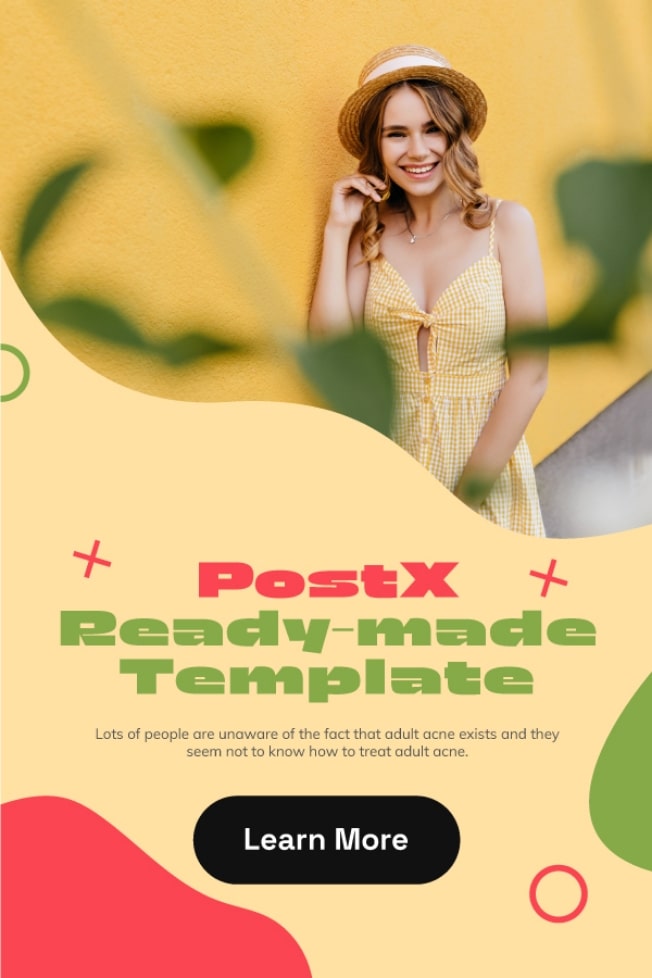
Visual hierarchy is one of the most important elements in poster design. It guides the viewer’s eye and ensures they see the most important information first. Start with a bold headline that captures attention immediately. This should be the largest and most prominent element on your poster.
Next, include supporting information such as dates, locations, or key details in slightly smaller text. Finally, add secondary elements like contact information or additional notes in a smaller size. A clear hierarchy makes your poster easy to read and visually appealing.
Choose the Right Colors
Color plays a huge role in making your poster eye-catching. Bright, contrasting colors can grab attention, while softer tones can create a more elegant and subtle look. The key is to use colors that align with your message and brand.
Avoid using too many colors, as this can make your poster look cluttered and overwhelming. Instead, stick to a limited color palette of two to four colors. Make sure there is enough contrast between the background and text so that everything remains readable.
Use High-Quality Images and Graphics
Images are often the focal point of a poster, so it is important to use high-quality visuals. Blurry or pixelated images can make your design look unprofessional and reduce its impact.
Choose images that are relevant to your message and help tell a story. Whether it’s a product photo, an illustration, or a background graphic, ensure it enhances your overall design. Investing in professional visuals or using reliable resources can significantly improve the final result, especially when preparing for poster printing.
Keep the Design Simple and Clean
One common mistake in poster design is overcrowding. Trying to include too much information or too many design elements can make your poster difficult to understand. Simplicity is key.
Focus on the essential information and eliminate anything unnecessary. Use white space effectively to give your design room to breathe. A clean layout not only looks more professional but also makes it easier for viewers to absorb your message quickly.
Select the Right Typography
Typography can make or break your poster design. Choose fonts that are easy to read and match the tone of your message. For example, a bold sans-serif font works well for modern and energetic designs, while a serif font may suit a more formal or traditional look.
Limit yourself to two or three fonts to maintain consistency. Use one font for the headline, another for the body text, and optionally a third for accents. Ensure that the font size is large enough to be read from a distance, especially if the poster will be displayed in public spaces.
Create a Clear Call-to-Action
Every effective poster includes a clear call-to-action (CTA). This tells the viewer what to do next, whether it’s attending an event, visiting a website, or making a purchase.
Your CTA should be easy to spot and written in simple, direct language. Phrases like “Join Now,” “Get Your Tickets,” or “Learn More” can encourage immediate action. Position the CTA strategically so it stands out without overwhelming the rest of the design.
Optimize for Print Quality
Designing a poster for digital use is different from preparing it for print. To ensure your final product looks professional, you need to optimize your design for poster printing.
Use high-resolution files (at least 300 DPI) to avoid pixelation. Choose the correct color mode, typically CMYK, for accurate color reproduction. Pay attention to margins and bleed areas to ensure no important elements are cut off during printing. Working with a reliable printing service can also help achieve the best results.
Experiment with Creative Layouts
While it is important to follow design principles, don’t be afraid to experiment. Unique layouts can make your poster stand out and capture attention more effectively.
Try using asymmetrical designs, bold shapes, or creative text placements. Layering elements or incorporating textures can also add depth and interest. The goal is to create something visually engaging while still maintaining clarity and readability.
Test and Get Feedback
Before finalizing your poster, take the time to review it carefully. Check for spelling errors, alignment issues, and overall balance. It can also be helpful to get feedback from others.
Ask friends, colleagues, or potential audience members for their opinions. Fresh perspectives can help identify areas for improvement and ensure your poster communicates effectively. Making small adjustments based on feedback can greatly enhance the final outcome.
Conclusion
Creating eye-catching custom posters requires a combination of creativity, strategy, and attention to detail. By understanding your audience, using strong visuals, maintaining simplicity, and optimizing for poster printing, you can design posters that not only look great but also achieve your goals.
Whether you are a beginner or an experienced designer, applying these tips will help you create impactful posters that stand out in any setting. With the right approach, your custom poster can become a powerful tool for communication and engagement.