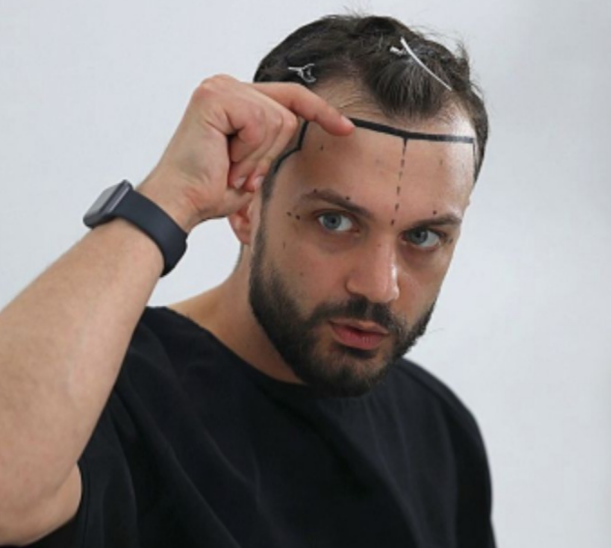
Confidence may be lost due to hair loss at any age. A hair transplant is commonly selected by individuals who desire a long-lasting treatment that shows natural results. Among the most frequently posed ones, there is Hair Transplant Results: What to expect after 6–12 months. This information will describe the journey honestly and straightforwardly, hence a person knows what to expect and does not promise too much.
Learning the Timeline of Healing and Growth
The restoration of Hair Transplant in Islamabad does not provide immediate results. It is a biological cycle process, and time is a major factor. The scalp has to be left to heal after the procedure, and the transplanted follicles have to be left to adjust.
The first few weeks are normal with scabbing and mild redness. At the end of the first month, the scalp appears to be healthy, though there is not much visible growth. This period is a source of concern to most patients, and it is considered a normal part of the hair transplant recovery process.
What Happens Around the 3 Month Period?
By the 2nd and 3rd months, shedding off the transplanted hair is observed among many people. This stage is referred to as shock loss. It does not imply that the transplant failed. The roots remain securely beneath the skin and go into a dormant state. At this stage, the scalp might appear as it did initially before the procedure.
Hair Transplantation Results After 6 months
After the 6th month, a noticeable improvement is expected to start. The new hairs begin growing out of the transplanted follicles. These hairs can be seen to be initially thin, soft, and maybe a little uneven. This is completely normal. Density is yet to be completed, but the hairline starts to appear. This is a motivating phase for many patients since they see the change taking effect on them and their close relatives. This is the initial image of the hair transplant, which is not the end.
Changes You Can Expect Between 9 and 12 Months
After a 9th month, hair thickness and coverage improve. The ends of the strands are stronger, darker, and more similar to the rest of the hair. The possibilities of styling also increase, and you are free to dress up. After 12th months, the majority of patients achieve near-final outcomes. The hair is more natural, blends well, and acts like normal hair. This phase has been referred to as the actual transformation stage of the natural hair transplant outcome.
See also: The Silent Conductor: Is Your Gut Microbiome Directing Your Health?
Factors That Determine Final Results
The outcomes do not always work out in the same way. There are various variables that influence the success of the transplant one year later. These are donor hair quality, scalp condition, age, genetics, and compliance with aftercare guidelines. There are also lifestyle habits. Poor nutrition, smoking, and uncontrolled stress may slow down growth. Good sleep, hydration, and scalp care, on the contrary, contribute to healthier results. The selection of a qualified medical team, Enfield Royal Clinic Islamabad, also affects accuracy and success in the long run.
Expectations of Density and Coverage
A hair transplant enhances the density, but it does not produce infinite hair. This is an aim to reach natural coverage, rather than artificial thickness. Graft placement is planned by the surgeon in such a way as to harmonize the facial features and the existing hair patterns. Hydrolyzed hair loss is an additional loss that may require more than one session to give optimum coverage. Effective communication in the consultation process assists in setting expectations with realistic outcomes, which is the key to being satisfied with the outcome of an FUE hair transplant.
Changes of Sensation and Texture of the Scalp
Other individuals experience slight numbness or stiffness for a few months. This fades away slowly with the healing of nerves. Scalp texture also becomes normalized with time, but only when the guidelines of post-procedure care are adhered to. Recent follicles are shielded by using suggested shampoos and not using harsh products. Light hair treatment promotes the health and comfort of hair in the long-term.
Symptoms of When to Consult a Professional Transplant Surgeon
When no observable improvement in 6 months or if redness and discomfort do not go away, it is recommended to consult again. Early diagnosis enables physicians to solve issues at an early stage before they turn into problems. Frequent examinations also help in monitoring improvements and prescribing further treatment where necessary. Professional monitoring also provides the transplant with the correct direction.
Final Thoughts!
The results of a hair transplant are slow and natural. The 6-month mark signals a positive initial performance, with the 12th month’s stage indicating the actual result. Patience, correct care, and professional execution are the keys to success. To anyone planning and recovering from a hair transplant, this timeline will help minimize the anxiety as well as instill confidence in the procedure. When biology matches the expectations, then satisfactory levels are much easier to attain.